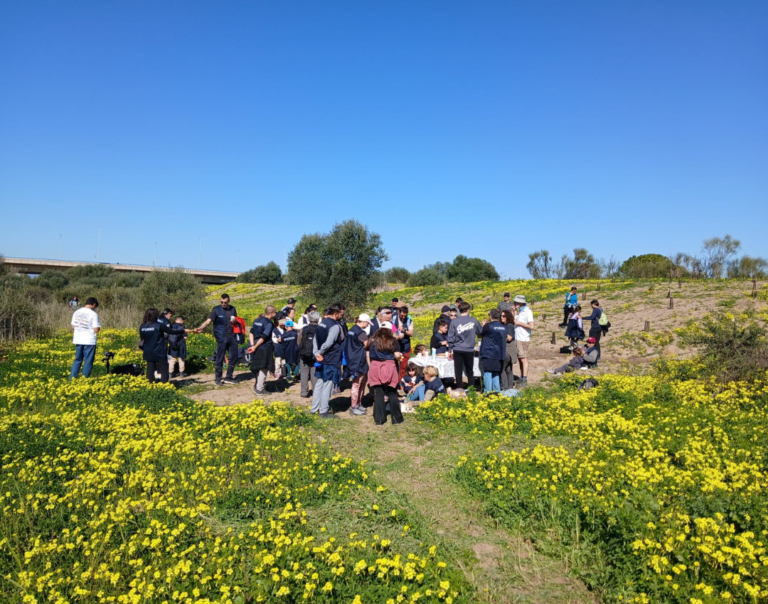
For years, corporate volunteering has revolved around the same protagonist: company employees. But the landscape is changing. The most advanced organizations in sustainability and purpose are discovering that other stakeholder groups, such as customers, represent an enormous source of social impact that remains largely untapped.
At Volies, we have spent more than a decade supporting foundations and CSR and HR departments in designing volunteering programmes for their teams. But for some time now, we have also been helping them open these experiences to the rest of their stakeholders. The results have been highly promising.
Engaging Customers: Building an Emotional Connection
The short answer is simple: because it works, and not only for society.
Customers who voluntarily dedicate their time to a cause under the umbrella of a brand develop an emotional connection with that brand that no advertising campaign can replicate. A relationship is built on shared values, not merely on price or service. And every person mobilized multiplies the organization’s social reach in a way that internal volunteering, by definition, cannot achieve.
In short, this type of volunteering generates three strategic effects simultaneously: emotional loyalty, brand community, and amplified social impact.
What the Market Is Telling Us
To better understand this space, we have conducted an in-depth analysis of the practices of leading companies in Spain and other benchmark markets. The landscape is rich and diverse.
One of the cases we know best firsthand is Imagin, CaixaBank’s digital platform aimed at Generation Z. For three years, we supported their team in the design and implementation of the ImaginChangers programme: a volunteering initiative with a profile radically different from traditional corporate volunteering.
The activities were entirely digital or hybrid, delivered with a fresh and participatory tone. Users of the platform, which has 3.7 million registered members, were invited to connect online with older adults to digitize their recipes, record podcasts for care homes, create videos for Spanish-language classes for migrants, or even take part in intercultural MasterChef-style experiences with refugees.
In May, the programme focused on the European Diversity Month, offering webinars on racism, sexual diversity, gender equality and disability, as well as sign language workshops.
This was not occasional weekend volunteering; it was social participation integrated into the daily digital lives of a young community. Those lessons continue to shape how we design programmes today.
Other equally powerful models are based on “open-door” volunteering, where customers work side by side with local branch managers in community activities, as CaixaBank does during its Social Month every May, mobilizing more than 18,000 volunteers in 2024.
Decathlon has spent a decade aligning its commercial purpose with its social action: if it sells wetsuits, it organizes marine clean-ups. If it sells camping equipment, it supports reforestation projects. The result: 43,000 volunteers mobilized and 167 tonnes of waste removed from natural spaces.
In the energy sector, EDP’s model in Portugal is particularly interesting. Customers can redeem loyalty points accumulated through their energy consumption and convert them into donations to social projects, without needing to leave home. This frictionless entry point has benefited 620,000 people over the last decade. Iberdrola, meanwhile, opens its reforestation activities to customers and local communities, creating genuine neighbourhood connections wherever it operates.
What all these models have in common is that they do not treat customers as passive recipients of a company’s CSR message, but as active participants in its purpose.
Our First Experience with Fundación Endesa: Reforesting Together in Málaga
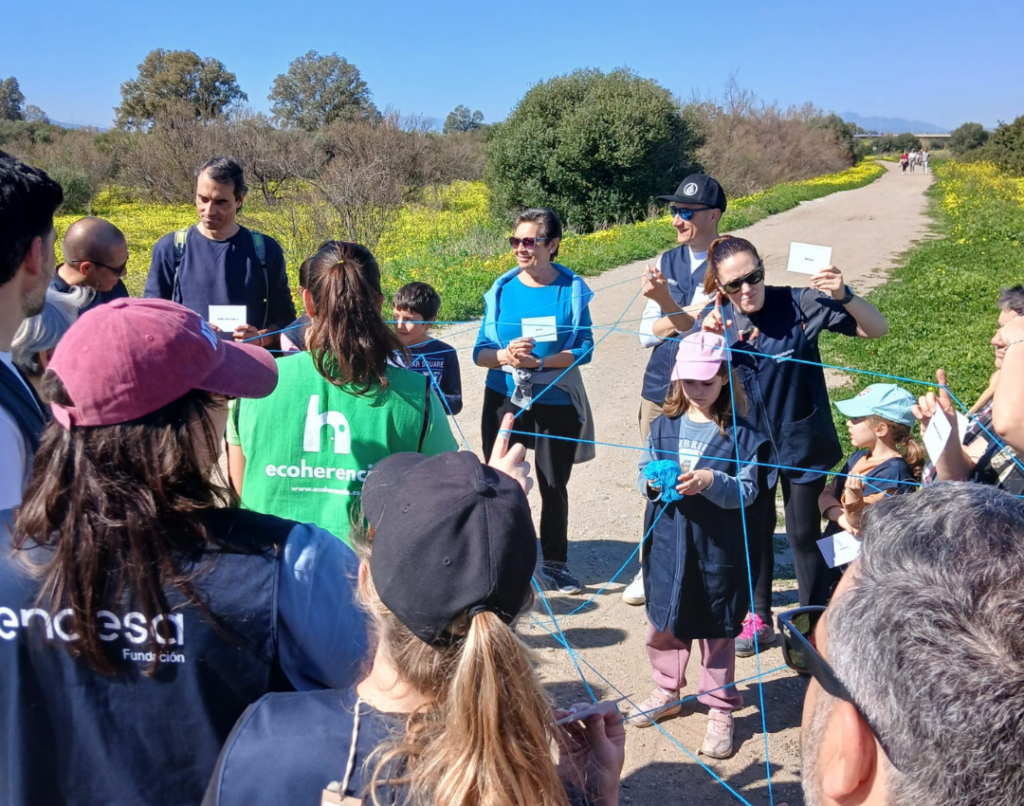
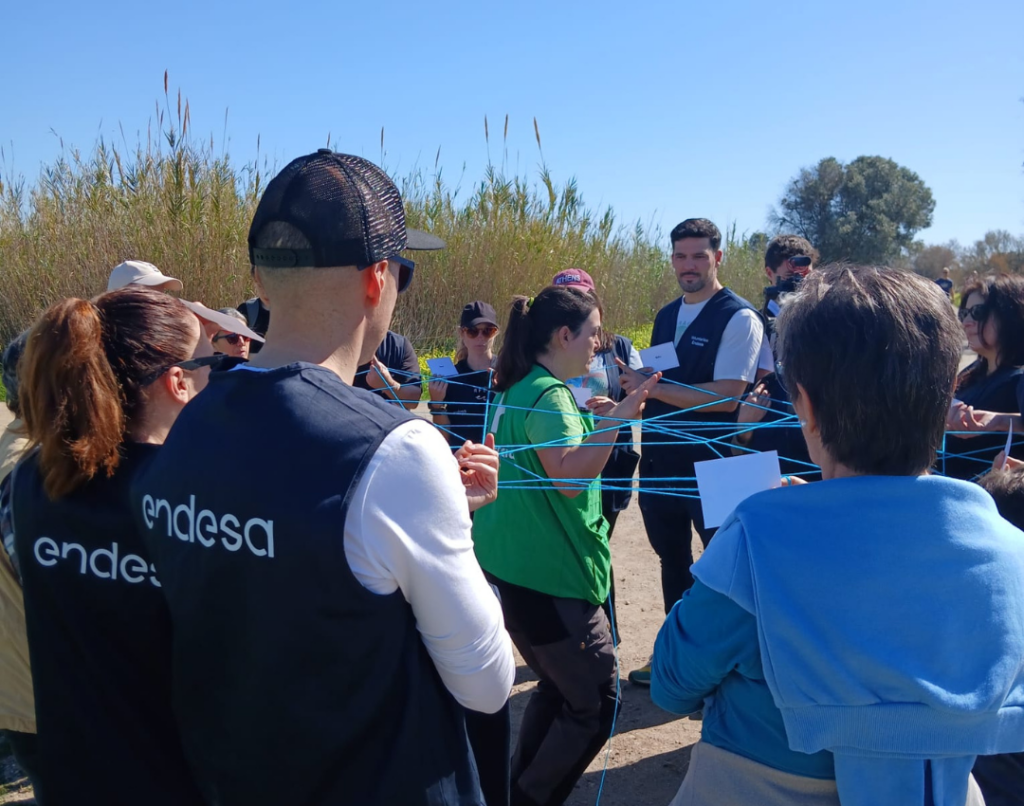
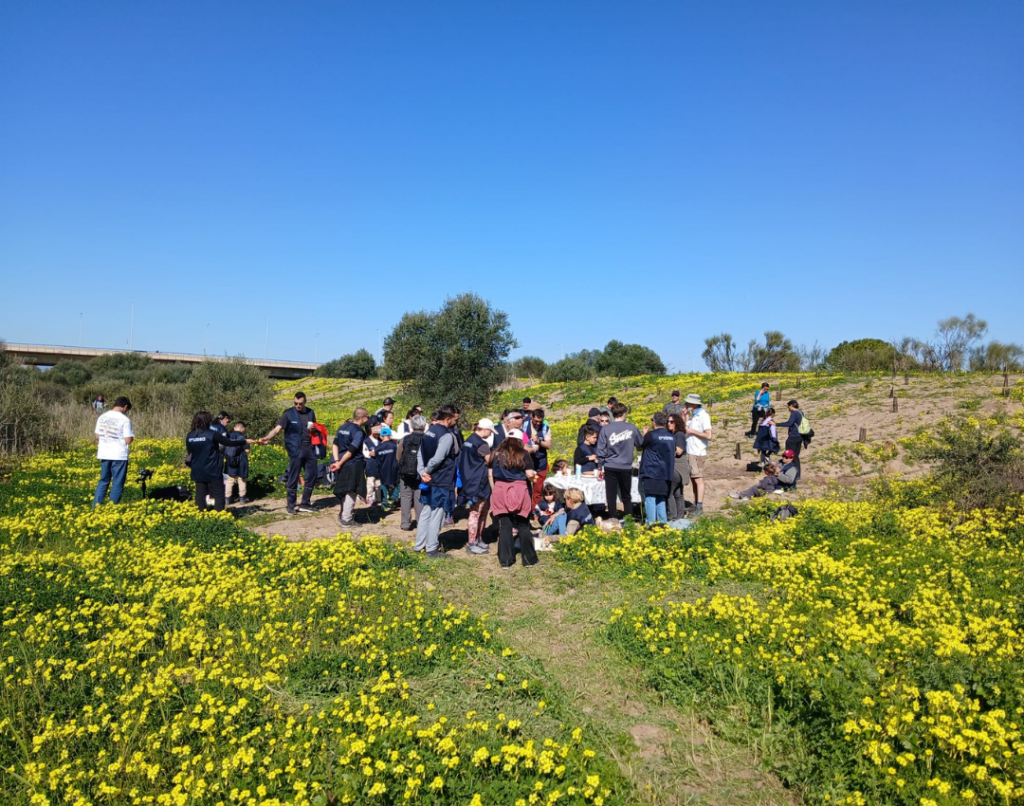
This year, we had the opportunity to put all this knowledge into practice with Fundación Endesa. Together with their team, we designed and delivered a reforestation event in Málaga in which Endesa customers played a leading role.
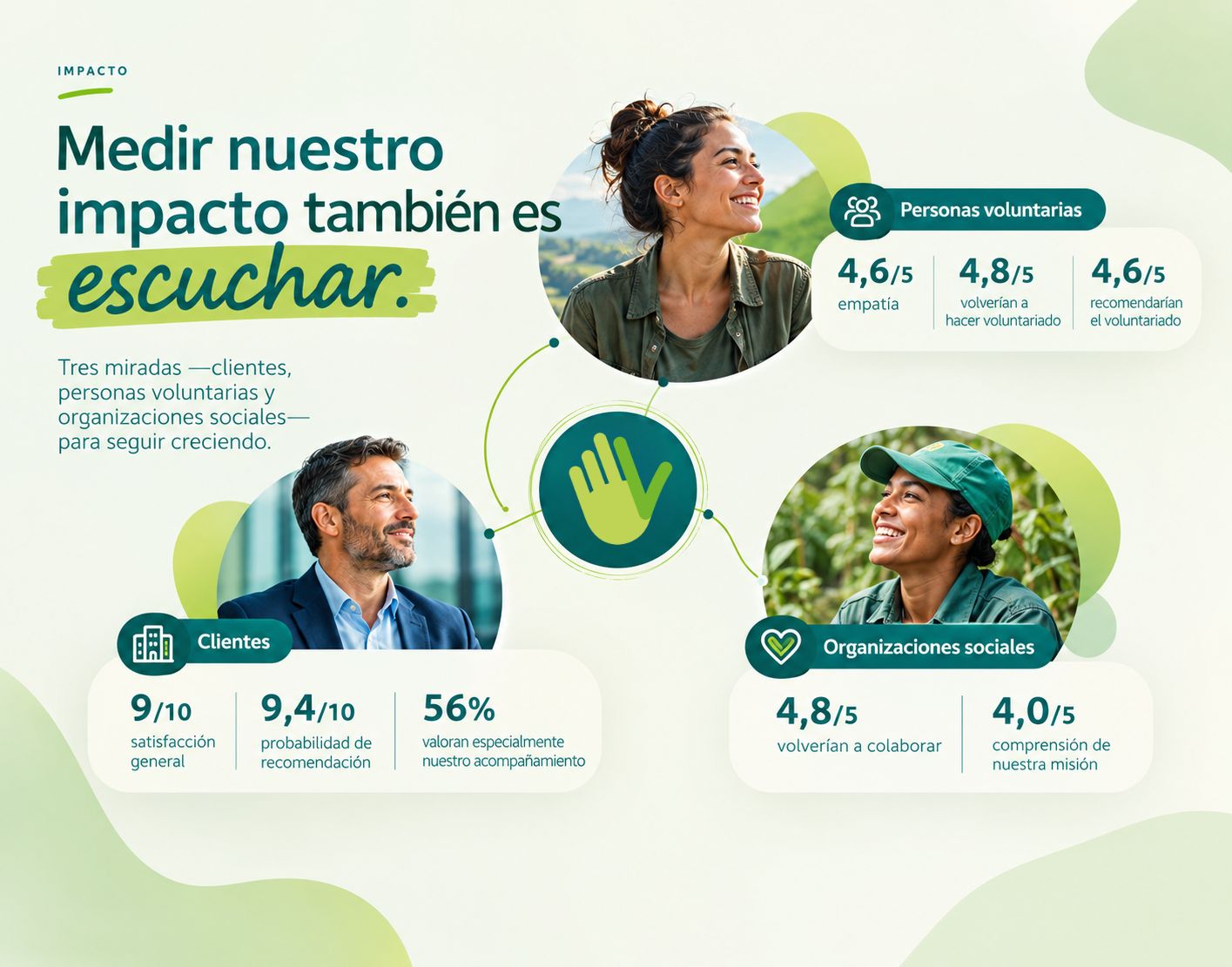
The results speak for themselves. Participants gave the experience an average satisfaction score of 9.46 out of 10, with most ratings at the highest level. When asked to what extent the activity had improved their perception of Endesa, the average score was 8.62 out of 10.
These figures confirm something we had long suspected: Endesa customers are willing to dedicate their free time to causes that inspire them and that align with the Foundation’s mission. They simply need an invitation that makes sense.
The initiative achieved three objectives simultaneously: it activated the brand in a positive and visible context, connected directly with the company’s strategic decarbonization agenda, and — perhaps most importantly — demonstrated that the model is both viable and scalable.
What Comes Next?
This experience is not a destination, but a starting point. Together with Fundación Endesa, we are already working on how to scale and diversify the model in the years ahead.
The opportunities we are exploring range from expanding existing programmes to creating more innovative and unique formats within the energy sector.
The key, as with all programmes we design at Volies, lies in finding alignment between the company’s business objectives, the values of the stakeholder group involved, and the social impact we aim to generate.
When these three elements come together, volunteering ceases to be a one-off activity and becomes a genuine source of strategic differentiation.
If your foundation or company is considering taking this step, we would be delighted to explore how to make it happen. This is exactly the kind of conversation we enjoy most.