
At Volies, as well as at Voluntare, we mainly work with volunteer or social impact managers—those individuals appointed by Human Resources teams, corporate foundations, CSR departments, or Community Relations teams to lead corporate social impact and volunteering strategies within companies.
Together with them, we design strategies or work plans and support them in building strong partnerships with the social sector. We also help identify opportunities where employees—and in many cases, retirees, families, customers, or suppliers—can contribute their time and skills: volunteering opportunities.
However, there is a very important role within these programs that is rarely discussed: that of volunteer ambassadors.

What volunteer ambassadors are
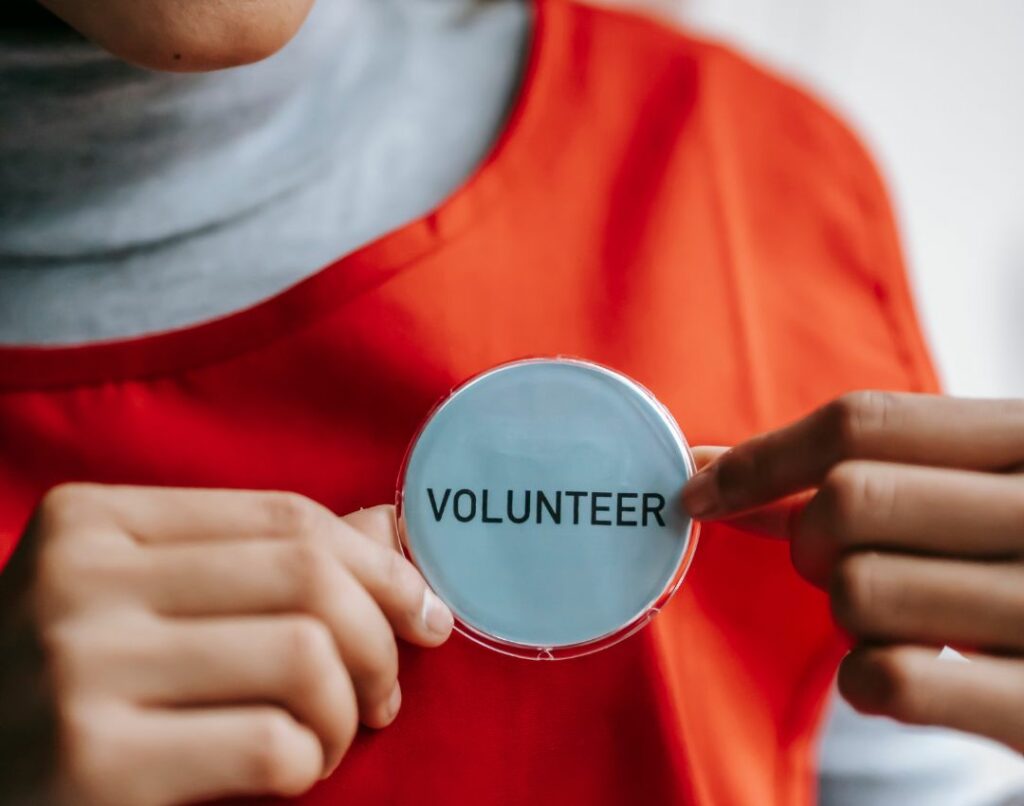
Across companies, they receive different names: ambassadors, champions, promoters, or leaders. But they all point to the same idea: while volunteers already dedicate their time to contributing to impact programs, these individuals take it a step further and assume a higher level of involvement.
Their roles can range from supporting the program management team and sharing volunteering opportunities, to helping identify new partnerships and projects, bringing greater reach across different regions. They can also act as a bridge with social organizations, coordinate other volunteers during activities, or contribute to monitoring and reporting tasks.
These are people who bring legitimacy and closeness to the program. They help bring in new voices, connect with realities across different locations, and act as a barometer of how volunteering is being experienced within teams. In addition, they enable more effective coordination among all stakeholders involved.
How to design a strong ambassador program
To fully leverage the significant contribution these individuals can make to volunteering programs, several aspects should be taken into account.
First, it is important to frame it as a program in its own right, giving it its own identity and reflecting on the scope of the role. What expectations exist? What can these individuals realistically contribute? The answer will depend on each company: the time they can dedicate, the support from their leaders, and even the type of role they hold.
The first rule is simple: clear rules for greater flexibility. When we understand what is and is not part of the role, it becomes easier to plan, align expectations, and create a meaningful and enriching experience for everyone involved.
Together with the Volies team supporting this program in several cities across the United States and Europe, we have identified several best practices across the different stages of the ambassador journey. We have also compared them with similar programs developed by other companies.
IDENTIFICATION
It is important to clearly define the requirements for taking on the role and the associated expectations. A good practice is to require approval from direct managers, either through invitation or as part of a voluntary application process. This adds formality and legitimacy to the program.
TRAINING
All individuals in this role should receive initial onboarding on their responsibilities, tools, and how to respond in common situations. In addition, ongoing training spaces are recommended to strengthen their autonomy and leadership.
ENGAGEMENT AND FOLLOW-UP
Regular meetings help listen to ambassadors, resolve doubts, and maintain motivation. It is also advisable to create a community where more experienced ambassadors can support those newly joining the role.
One practice we have implemented with the Volies team in Columbus, Ohio, is shadowing new ambassadors during certain activities. This allows them to learn by observing more experienced peers in real situations and build confidence before fully stepping into the role.
RECOGNITION
It is important to establish specific recognition moments for this group of volunteers, as they take on an additional level of commitment to the program. Recognition can take different forms, but it should be planned to reinforce motivation and a sense of belonging.
ASSESSMENT
Regularly evaluating the experience and performance of ambassadors helps provide feedback, identify areas for improvement, and, when necessary, facilitate role transitions. It is normal for some individuals to be unable to maintain the expected level of commitment due to changes in their circumstances.
The value of the role in social impact
In summary, volunteer ambassador programs bring numerous benefits to corporate volunteering initiatives. However, to truly strengthen employee leadership within community relations and social impact strategies, they must be designed in a structured, planned way, with the right support in place.
When this happens, not only are risks reduced and program management strengthened, but the ability to generate impact is significantly amplified. Ultimately, ambassadors have great potential to inspire others and help make social commitment part of everyday organizational life and corporate culture.
But ambassador programs aren’t just valuable for companies. Every kind of organization can have those enthusiastic people who are willing to go the extra mile. Soon, our colleague Ángela Padilla will share how they do it at Residencias Savia—an inspiring approach for senior care homes and Nonprofit organizations, in which the leaders of the Socio-Cultural Activities team also serve as volunteering ambassadors, fostering connections between the residence and the community.