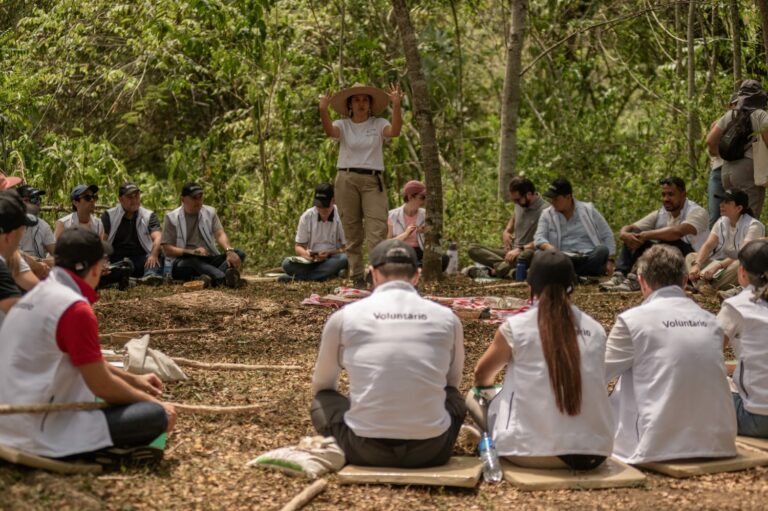
How can we ensure that volunteering increasingly responds to people’s skills and the needs we identify in the local community? This is one of the questions we are exploring with Bancolombia through a series of initiatives known as Area-Based Volunteering.
The idea emerged from several challenges we identified alongside Bancolombia in the context of its internal engagement. Some are related to recent leadership changes; others involve strategic planning and the interest in incorporating social issues into specific teams. There are also departments that reach out to the Foundation to develop greater awareness and gain a deeper understanding of the areas where the organisation makes its investments.
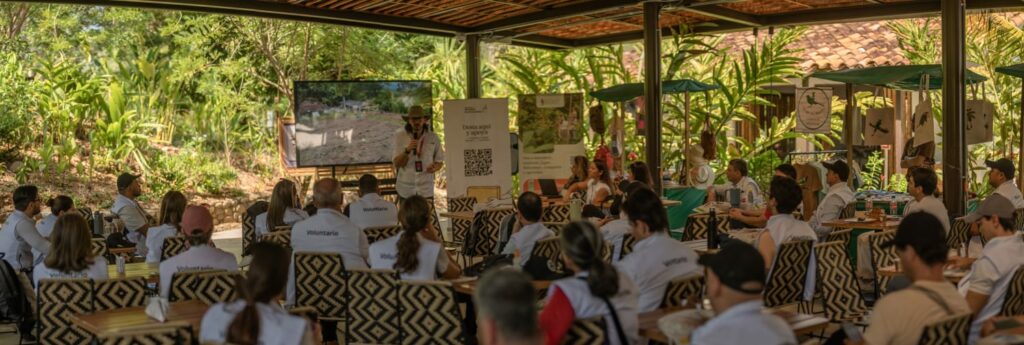
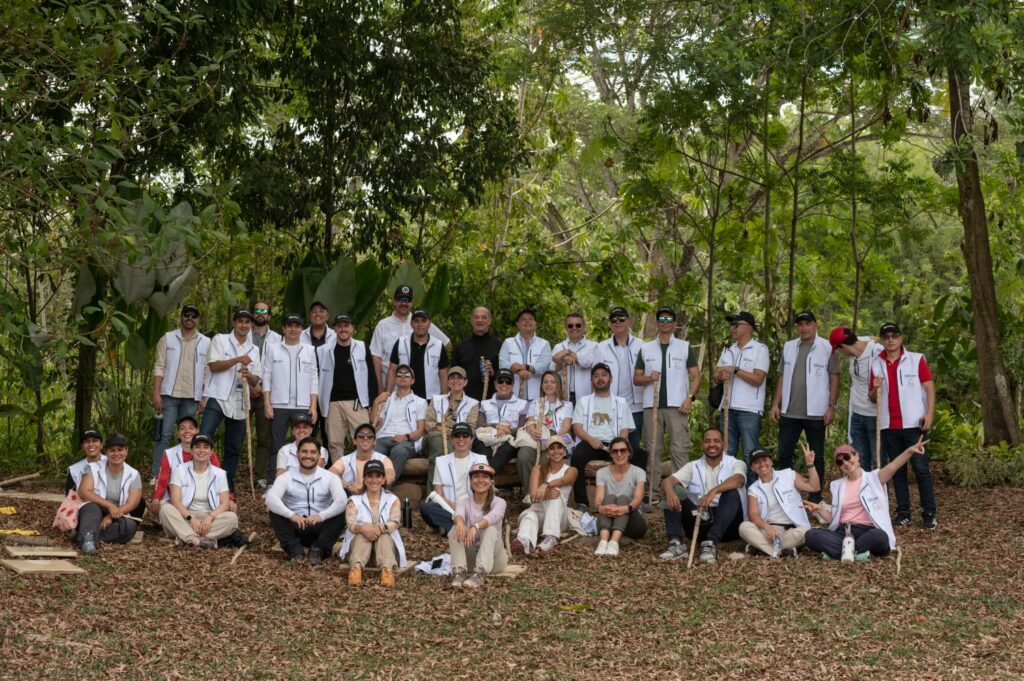
On this occasion, the experience took us to Agroparque Biosuroeste, where we worked alongside Bancolombia’s Strategy and Finance Vice Presidency to deliver a mentoring session for rural businesses in the southwestern region of Antioquia.
One Day, One Purpose: Creating Opportunities
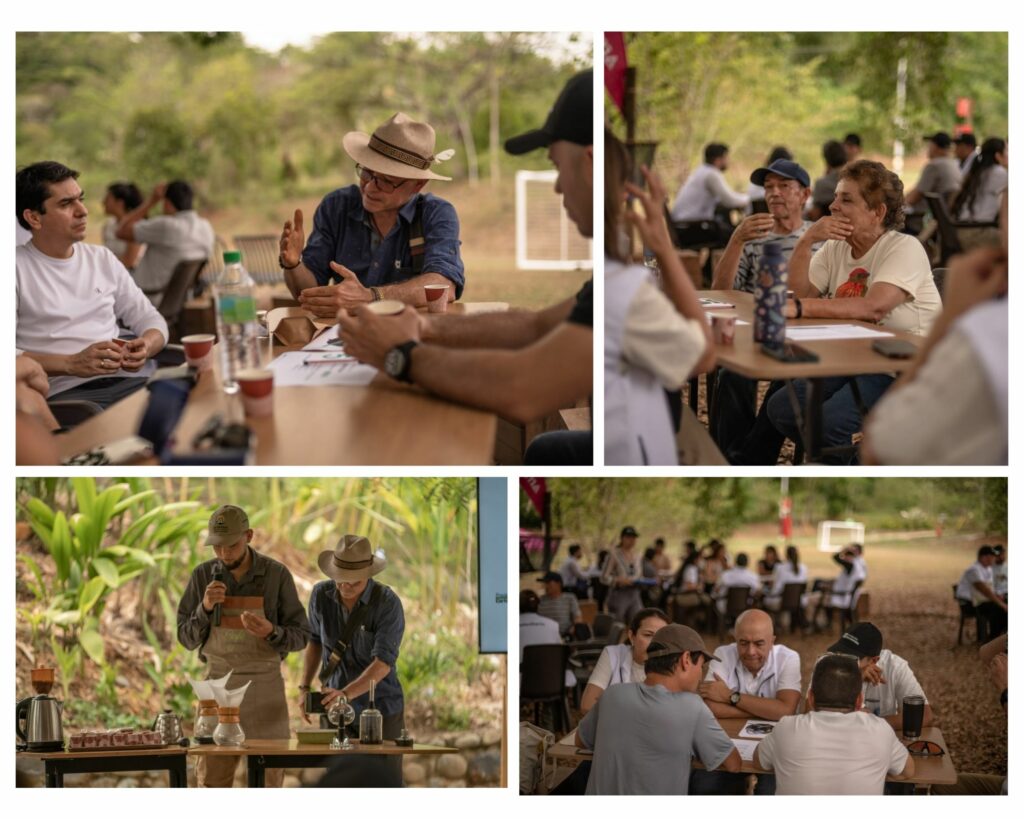
The session focused on supporting eight business leaders from the Bioeconomy and Rural Tourism Trail in southwestern Antioquia.
The aim of the mentoring sessions was to help them address their priority challenges and move towards concrete next steps. To achieve this, the session was structured around four stages: connect, reflect, explore and act.
First, we connected by learning about the businesses’ stories and getting to know the volunteers. We then reflected, listened and validated the challenges at hand. Next, we explored different possibilities through questions and shared experience. Finally, we moved into action, prioritising what to tackle first, what could wait and which indicators would help measure progress in the right direction.
In these experiences, it is important to understand the role each person plays. That’s why we also explored the difference between mentoring and consulting:
Mentoring: The role is to provide support, share experience and open up possibilities, allowing businesses to find their own way forward.
Consulting: In contrast, this approach starts with diagnosing a specific problem in order to propose a solution.
It may seem like a small distinction, but it makes a significant difference to how people interact throughout the session.
Eight challenges, eight realities
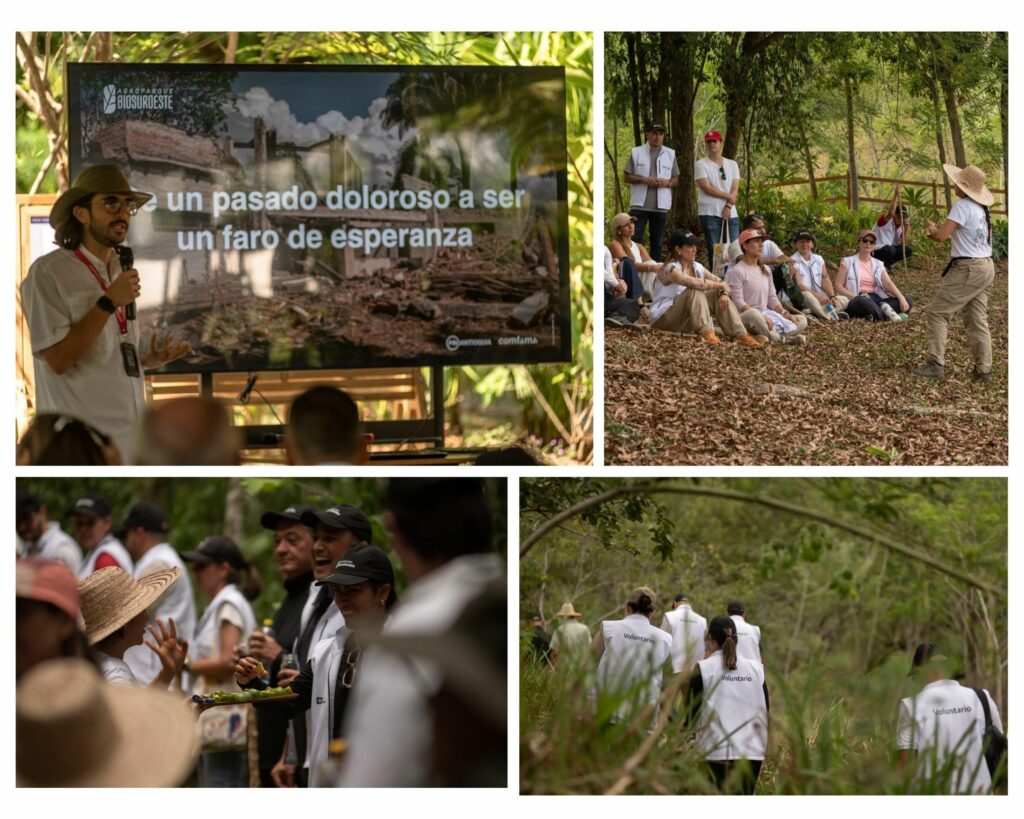
The different businesses came to the session facing a range of challenges.
Eight businesses. Eight different challenges. And one shared opportunity: putting the knowledge and experience of volunteers at the service of those developing their projects in the local community.
Mentoring Is Also a Learning Experience
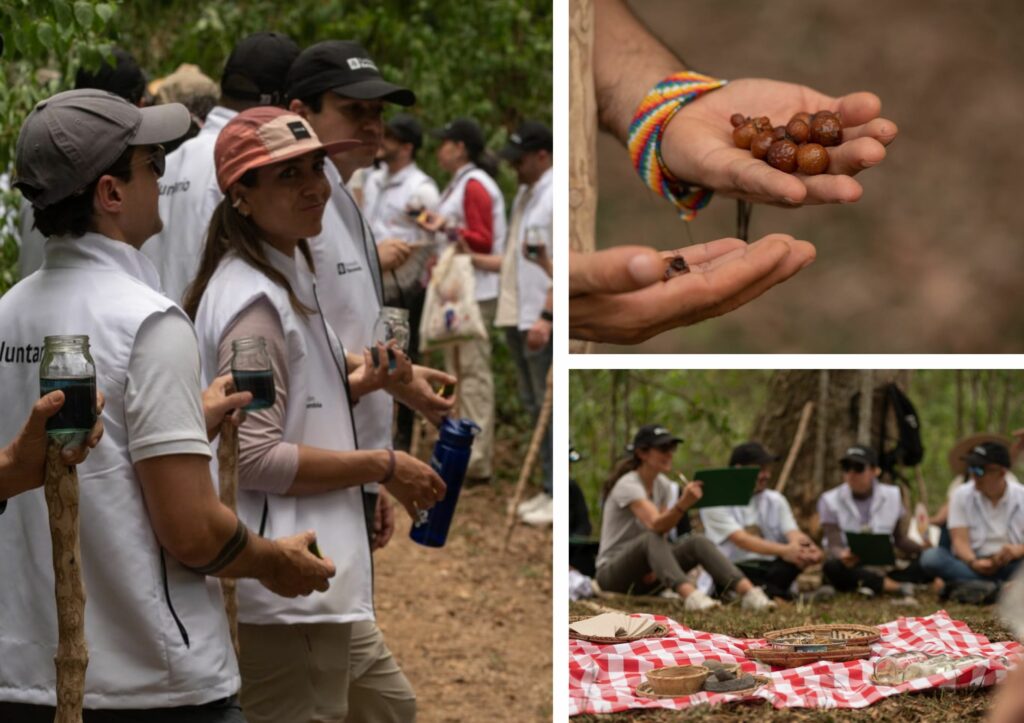
One of the aspects most valued by the volunteers who took part was the opportunity for mutual learning. In the feedback collected after the session, one message perfectly summed up the experience: “Mentoring works both ways.”
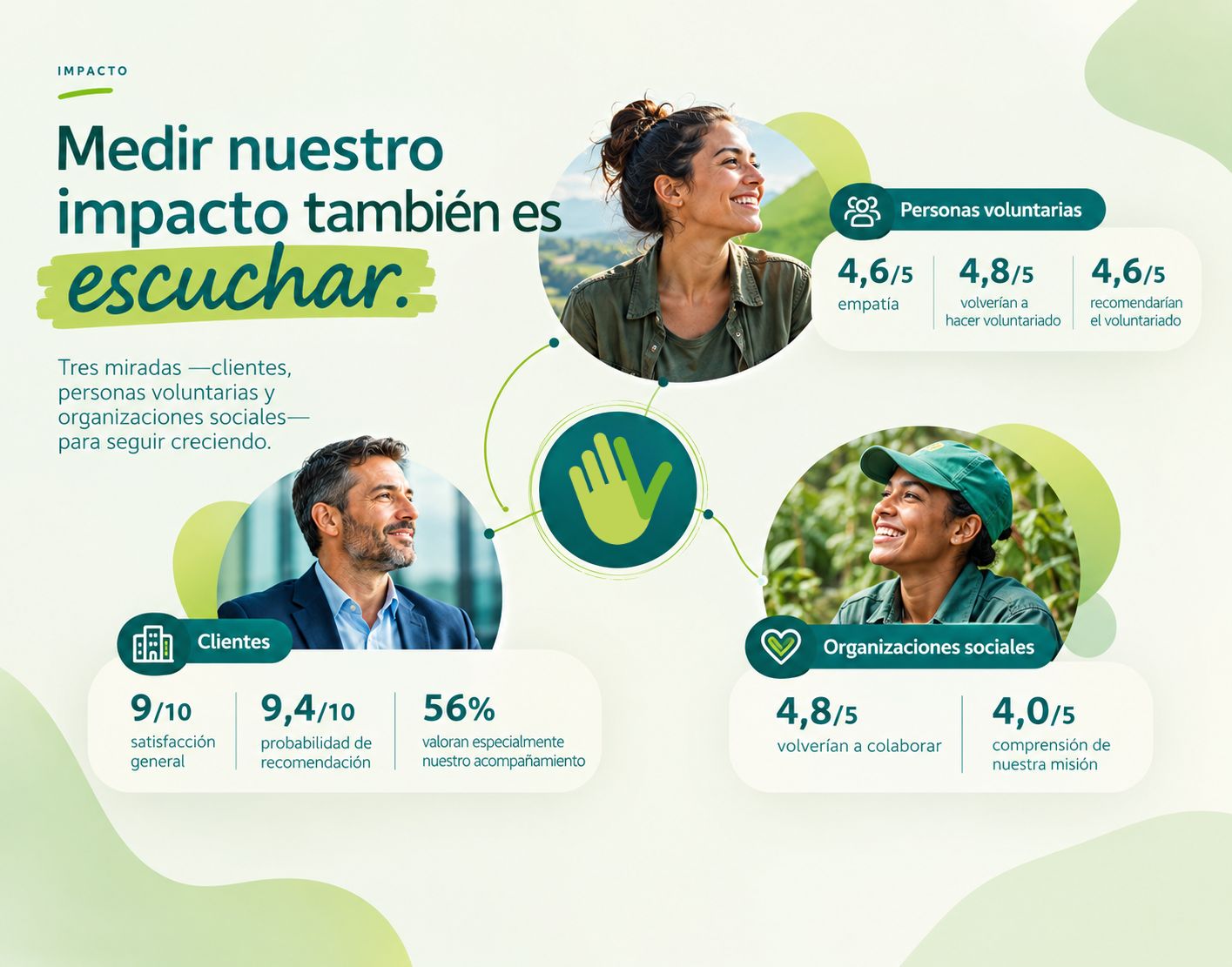
Participants who completed the survey rated the preparatory materials 9.4 out of 10 and their preparation for the role 9.7 out of 10. The overall experience was rated as “Very good” by 86% of participants, while the initiative received a recommendation score of 9.8 out of 10.
However, the experience also highlighted some areas for improvement, including:
The importance of practising active listening.
Stepping away from the role of “solving everything” and showing empathy towards each business’s reality.
Allowing more time to review information about each business in advance and gain a deeper understanding of the local context.
This is one of the key benefits of these experiences: it’s not just about sharing what we know, but also about learning to listen and understand different realities.
Following the Session: Keeping the Momentum Going
Volunteering doesn’t end when the session is over. In this case, all eight participating businesses received support, and a series of commitments and next steps were agreed upon. The Volies and Fundación Bancolombia teams will jointly follow up on these commitments over the next 30 to 90 days. This will allow us to see how the actions agreed upon during the mentoring sessions progress.
This experience at Biosuroeste is part of Bancolombia’s corporate volunteering strategy, which we have been supporting at Volies. The strategy aims to mobilise talent, strengthen capabilities and generate sustainable social impact. In this new phase, the work is structured around three pillars:
Financial inclusion.
Sustainable cities and communities.
Strengthening the productive sector.
Area-Based Volunteering allows us to continue exploring new ways to connect teams’ skills and expertise with the social challenges that exist beyond the organisation. This session at Biosuroeste has undoubtedly been a great example of how this can be achieved.