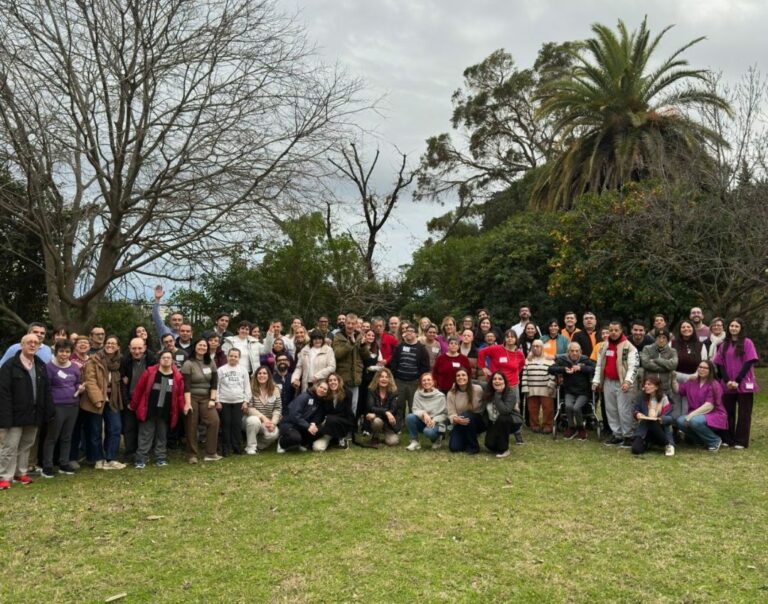
Social innovation projects in companies are transforming the way they develop talent, strengthen teams, and build more inclusive cultures. A few days ago, at Volies, we had the opportunity to facilitate a teambuilding experience that reminded us why social innovation in companies is such a powerful driver for talent development within organizations.
What is social innovation in companies?
When we talk about social innovation in companies, we refer to a strategic approach that integrates the generation of positive social impact into the business model itself. It involves co-creating solutions that transform unmet needs into business opportunities, enhancing reputation and strengthening the social fabric.
When an organization embeds social innovation across its operations, it turns social challenges into opportunities for sustainable growth, while strengthening key areas such as competitiveness, reputation, and talent development.
Social innovation in companies and talent development: the Meliá case study
On this occasion, at Volies we designed a social and inclusive teambuilding experience for a team of executives from Meliá Hotels.
- We began with an “emotion meter” to identify and name the emotions present in the room.
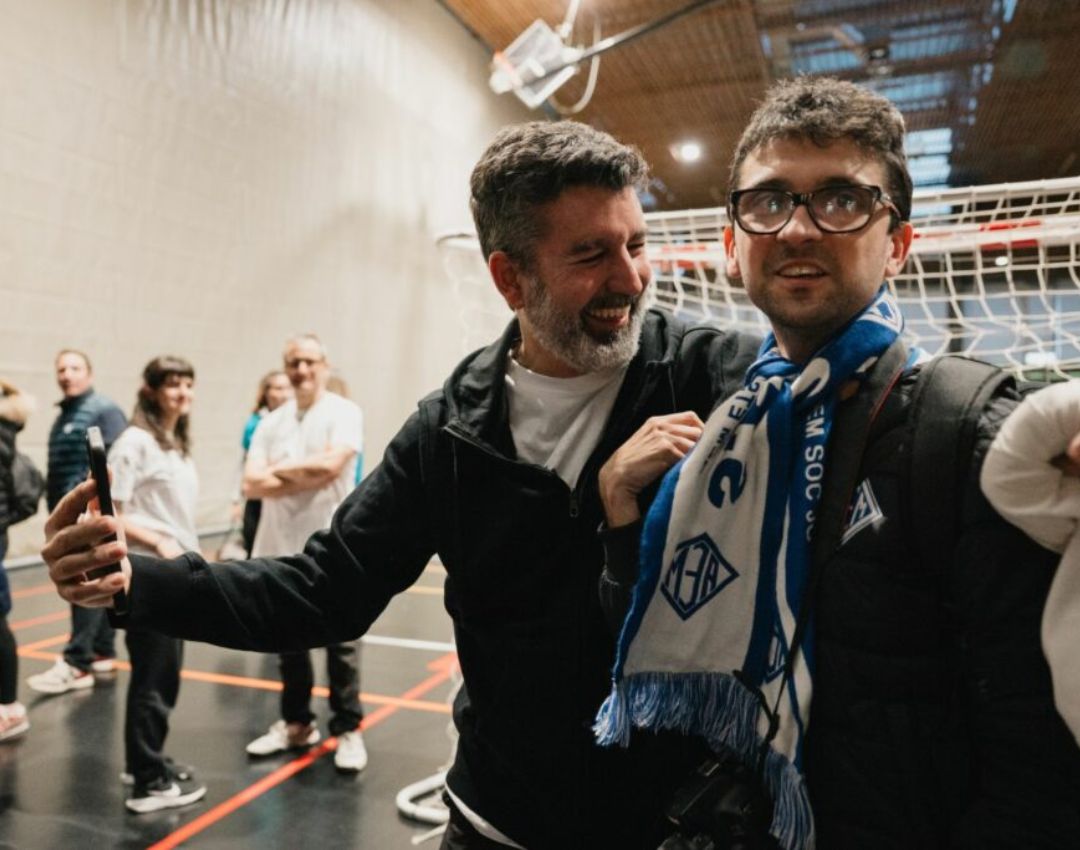
- Then, together with our hosts, the team and users of Fundació Finestrelles for Intellectual Disabilities, we carried out an icebreaker activity to create an atmosphere of trust and integration.
- This was followed by an escape room designed by professionals from the Foundation itself.
- To close, we shared a meaningful reflection session that helped us answer the key question: “What am I taking away on a personal, social, and professional level?”
On paper, it was a strong opportunity to develop leadership skills, strengthen teamwork and communication, foster a culture of corporate social responsibility, and promote social inclusion.
In practice, it went far beyond expectations, becoming a space for emotional, relational, and deeply human learning. Once again, we confirmed that when companies design methodologies with social intention, people show up more open, curious, and willing to connect authentically.
Each participant arrives with their own invisible baggage, responsibilities, fears, fatigue, expectations, or even the feeling of not having time for “one more activity.” But this is precisely where the transformation begins: by recognizing people in their humanity before their professional roles. That shift changes everything, how they collaborate, listen, and relate within the shared experience.
Diversity and inclusion as drivers of collective learning
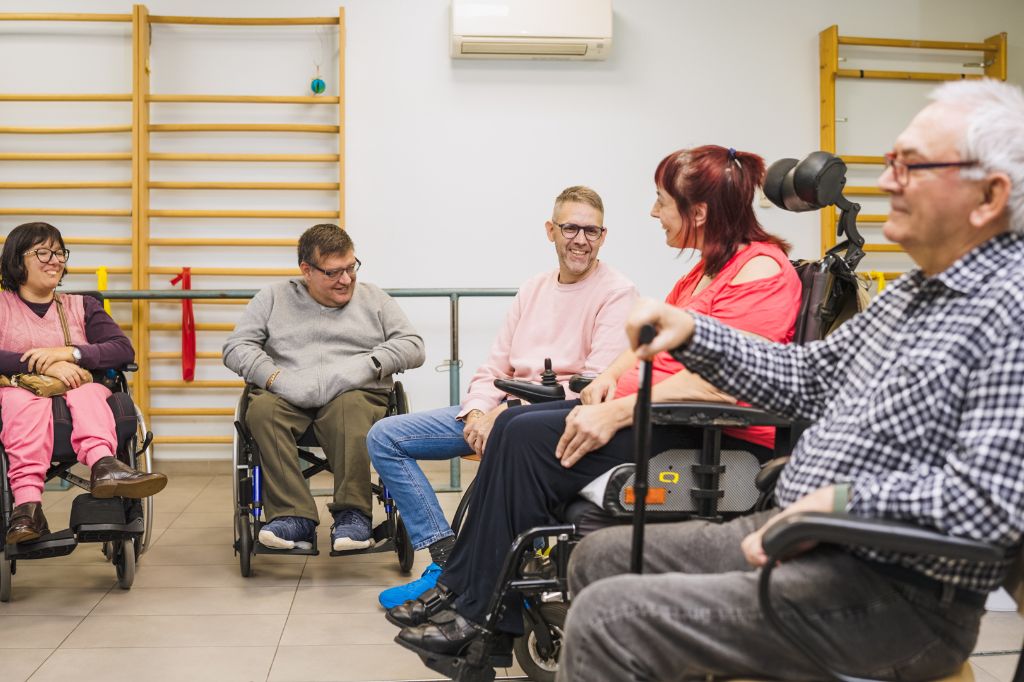
From the very beginning, we stepped out of our comfort zone. Suddenly, skills like empathy, communication, adaptability, and collaboration stopped being mere concepts and became real experiences. The presence of people with disabilities showed us, without any speeches, that diversity broadens a team’s perspective, enriches dynamics, and boosts collective learning.
During facilitation, we saw and learned that every group we work with, whether in strategy, teambuilding, project development, partnerships, or community work, is alive: it breathes, feels, falls silent at times, pauses, and even lets go, allowing magic to happen. The best ideas and experiences emerge and remain in memory, not just for the participants. The people facilitating the sessions also carry a huge learning, a lasting impression, a memory, and immense gratitude for what was experienced and learned.
When social innovation projects humanize learning
Sometimes we forget that what may seem like a simple game can spark deep conversations and create lasting connections. That day, it became clear: labels were broken, bonds were strengthened, and a space was created where everyone, coming from different realities, could learn from one another.
As facilitators, we carry a valuable takeaway: when an experience inspires, transforms, or helps people see reality from a new perspective, that’s when talent truly grows. That’s exactly how it was experienced and shared within the company:
"At Meliá, we believe that development shouldn’t just make us better professionals, but better people as well. Because, in the end, true talent isn’t measured only by what we know how to do, but by the impact we leave on others."
Gabriel Canaves, Chief HR Officer of Meliá Hotels International
This teambuilding wasn’t just an activity to strengthen skills; it was an experience that humanized learning. And when social innovation in companies is experienced this way, rooted in humanity rather than theory, it stops being just a methodology and becomes a true opportunity for transformation.